ADA Compliance Cost: What Small Businesses Need to Budget for Website Accessibility in 2026
ADA Compliance Cost: What Small Businesses Need to Budget for Website Accessibility in 2026
Your small business website faces a $35,000 to $75,000 lawsuit risk if it lacks proper accessibility features. While those settlement figures grab attention, the real question is simpler: what will ADA compliance actually cost your business? Most small business owners discover the answer ranges from $5,000 to $15,000 for comprehensive first-year compliance, a fraction of potential legal penalties. Understanding these costs, from initial audits to ongoing maintenance, helps you make informed decisions about protecting your business while expanding your customer base.
Understanding ADA Website Compliance Costs: The Complete Breakdown
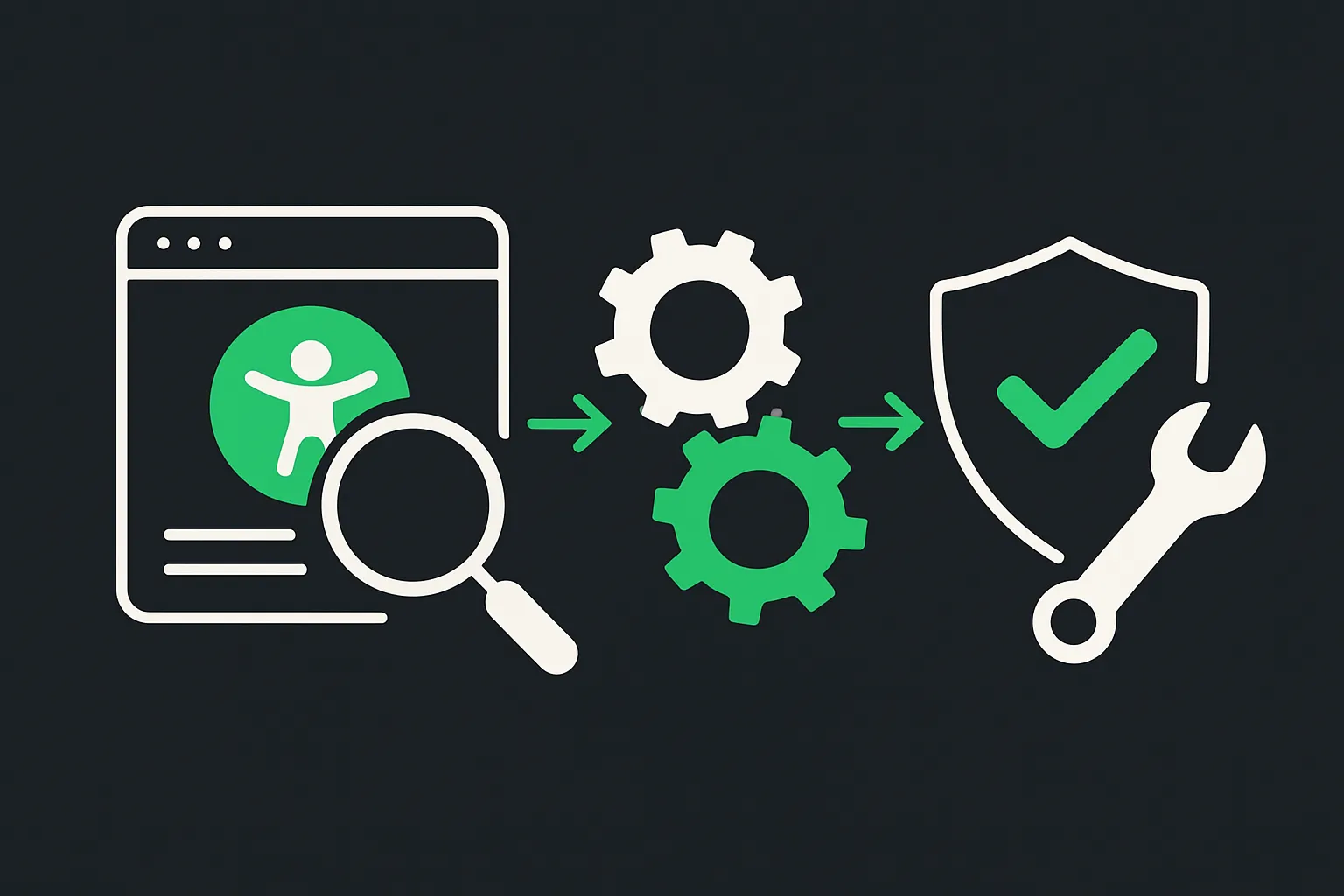
The path to ADA compliance starts with understanding three core expense categories: audits, remediation, and maintenance. Initial audit costs typically range from $500 to $3,000, depending on your website's complexity and page count. These professional assessments identify specific accessibility barriers that need addressing, from missing alternative text to keyboard navigation issues.
Manual remediation represents your largest upfront expense, usually falling between $2,000 and $10,000 for comprehensive fixes. This work addresses the barriers identified during your audit, implementing solutions that make your site accessible to users with disabilities. Common fixes include adding proper heading structures, ensuring color contrast meets WCAG standards, and making all interactive elements keyboard accessible.
Your total first-year investment typically lands between $5,000 and $15,000 for most small businesses. This includes the initial audit, complete remediation work, and setting up maintenance processes. While this might seem substantial, consider the alternative: average ADA lawsuit settlements range from $35,000 to $75,000, according to UsableNet's 2023 accessibility report. The math clearly favors proactive compliance.
Beyond avoiding lawsuits, professional web design that incorporates accessibility from the start actually costs less over time. Building accessibility into a new site adds only 15% to 25% to development costs, compared to the expense of retrofitting an existing site. Smart business owners view ADA compliance as an investment in reaching the 61 million Americans with disabilities, a market segment with $490 billion in disposable income.
ADA Compliance Audit Expenses: What You'll Pay for Professional Assessment
Professional audit pricing depends on several key factors that determine the scope of work required. Page count drives baseline costs, with simple 10-page sites costing significantly less to audit than complex 100-page e-commerce platforms. Functionality complexity adds another pricing layer, as sites with interactive features, forms, and dynamic content require more thorough testing.
The choice between manual testing and automated scanning creates a significant cost difference. Automated tools cost $50 to $200 per scan but only catch about 20% to 30% of accessibility issues. Manual testing by certified professionals costs more initially but identifies 80% more problems, providing comprehensive protection against legal risks. Most thorough audits combine both approaches for maximum effectiveness.
Legal consultation fees add another $1,500 to $3,000 to your audit expenses. While not always necessary, involving an accessibility attorney helps ensure your compliance efforts meet current legal standards. This becomes especially important for businesses in regulated industries like healthcare, finance, and education, where industry-specific requirements can increase costs by 30% to 50%.
Consider your audit an investment blueprint. Effective website design principles align closely with accessibility standards, meaning your audit results guide improvements that benefit all users, not just those with disabilities.
Website Remediation Costs: Fixing Accessibility Barriers
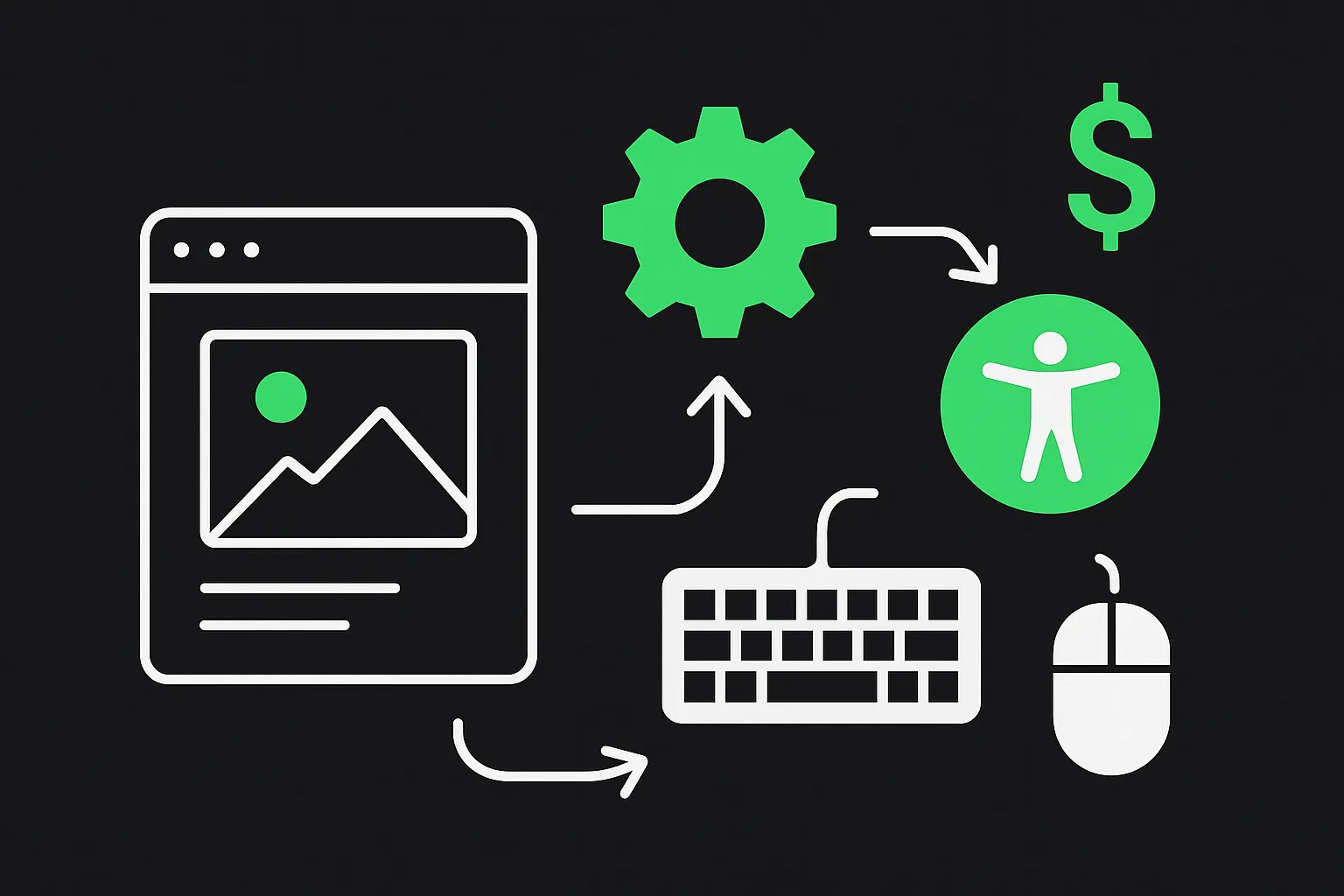
Remediation work focuses on fixing the specific barriers your audit identified. Common fixes like adding alternative text to images, implementing keyboard navigation, and adjusting color contrast typically represent 60% of remediation work. These fundamental changes form the foundation of an accessible website, ensuring users with screen readers, keyboard-only navigation, or color blindness can effectively use your site.
Mobile accessibility adds another layer of complexity and cost. With mobile traffic dominating many small business websites, ensuring your responsive design maintains accessibility across devices becomes crucial. Mobile-specific issues often add 20% to 30% to remediation costs, as developers must test and fix problems across multiple screen sizes and touch interfaces.
The choice between website rebuild and retrofit significantly impacts your total investment. Retrofitting an existing site might seem cheaper initially, but complex sites often benefit from rebuilding with accessibility integrated from the ground up. While rebuilds cost 15% to 25% more upfront than standard development, they eliminate expensive retrofitting cycles and provide better long-term maintainability.
| Approach | Cost | Effectiveness | Legal Protection |
|---|---|---|---|
| Automated Tools/Plugins | $50-$500/month | 20-30% of issues | Limited protection |
| Manual Testing | $75-$200/hour | 80%+ of issues | Strong protection |
| Combined Approach | $2,000-$10,000 | Comprehensive | Maximum protection |
Developer hourly rates vary widely based on expertise and location, typically ranging from $75 to $200 per hour for accessibility specialists. Project scope determines total hours needed, with simple sites requiring 20 to 40 hours of remediation work while complex platforms might need 100 to 200 hours. Understanding these variables helps you budget accurately and set realistic timelines.
Smart remediation also considers SEO benefits, as many accessibility improvements directly enhance search engine optimization. Proper heading structures, descriptive link text, and faster load times from optimized media all boost your search rankings while improving accessibility.
Automated Accessibility Tools vs Manual Compliance: Cost Analysis
Monthly subscription costs for accessibility widgets range from $50 to $500, promising quick compliance solutions. These automated tools scan your site and attempt to fix common issues automatically. However, effectiveness limitations severely restrict their value. Research from Deque Systems shows automated tools catch only 20% to 30% of accessibility problems, leaving your site vulnerable to the remaining 70% to 80% of issues.
Manual testing proves far more effective, catching problems automated tools miss entirely. Human testers navigate your site using assistive technologies, experiencing it as users with disabilities would. They identify context-specific issues, test interactive elements thoroughly, and ensure your content makes sense when accessed through screen readers. This comprehensive approach provides the confidence automated tools cannot deliver.
Accenture's disability inclusion study found businesses report 15% to 20% customer base increases after implementing accessibility improvements.
Many business owners fall into the plugin trap, believing these tools provide complete compliance. In reality, accessibility plugins often create false confidence that increases legal risk. Some plugins actually introduce new barriers, interfering with assistive technologies or creating confusing overlays that frustrate users. Worse, courts have repeatedly ruled that using accessibility plugins alone does not constitute good faith compliance efforts.
The cost comparison clearly favors manual compliance when considering effectiveness. While plugins might seem cheaper at $600 to $6,000 annually, they leave you exposed to lawsuit risks averaging $35,000 to $75,000. Manual remediation might cost more initially but provides genuine compliance and protection. As AI changes website design, remember that human expertise remains essential for accessibility compliance.
Ongoing Maintenance Budget for ADA Compliance
Monthly maintenance represents a critical but often overlooked compliance cost. Websites change constantly through content updates, new features, and design tweaks. Each change potentially introduces new accessibility barriers. Budget 10 to 20 hours monthly for developer time, translating to $1,000 to $2,500 in ongoing costs. This maintains your compliance level and addresses issues before they become problems.
Staff training on accessible content creation offers exceptional return on investment. Initial training costs $500 to $1,500 but reduces long-term maintenance expenses by up to 40%. When your team understands how to create accessible content from the start, fewer fixes are needed later. Training covers proper heading usage, alternative text writing, color contrast checking, and document accessibility.
Documentation and compliance reporting require dedicated administrative time. Budget 5 to 10 hours monthly for maintaining accessibility statements, tracking remediation progress, and documenting your ongoing compliance efforts. This administrative work costs $500 to $1,000 monthly but provides crucial legal protection by demonstrating your commitment to accessibility.
Regular re-auditing ensures your site maintains compliance over time. Schedule comprehensive audits annually, with quarterly spot checks for high-traffic pages. These ongoing assessments catch drift from compliance standards and identify new issues before they become widespread. Include these audit costs in your annual maintenance budget to avoid surprises.
Consider professional maintenance services that bundle accessibility monitoring with general website upkeep for cost-effective ongoing compliance.
Small Business ADA Compliance Cost-Benefit Analysis
Accessibility improvements deliver measurable business benefits beyond legal protection. Accenture's disability inclusion study found businesses report 15% to 20% customer base increases after implementing accessibility improvements. This expansion comes from better serving the 61 million Americans with disabilities while also improving usability for all visitors. Mobile users, older adults, and people in challenging environments all benefit from accessible design.
SEO benefits provide another compelling return on investment. Accessibility improvements directly enhance search rankings through better site structure, faster load times, and improved user engagement metrics. Google's algorithms favor accessible sites because they provide better user experiences. Proper heading hierarchies, descriptive link text, and optimized images all boost both accessibility and search visibility.
Lawsuit prevention savings dwarf compliance costs when viewed objectively. With average settlements ranging from $35,000 to $75,000 plus legal fees, a single lawsuit could devastate a small business. Your $5,000 to $15,000 compliance investment provides protection worth 5 to 15 times its cost. Additionally, demonstrating good faith compliance efforts through documented accessibility work strengthens your legal position if challenges arise.
Tax benefits and grant opportunities help offset compliance expenses. The IRS allows deductions for removing architectural and transportation barriers, which extends to digital accessibility. Some states offer specific grants for disability accommodations, including website accessibility improvements. Research local programs that might reduce your net compliance costs.
Track your ROI through improved conversion rates, reduced bounce rates, and expanded market reach. Local lead generation particularly benefits from accessibility, as local customers with disabilities actively seek businesses that accommodate their needs.
Budgeting Strategy: How to Plan Your ADA Compliance Investment
Year one budget allocation requires strategic planning across multiple expense categories. Allocate funds for professional audits ($500 to $3,000), comprehensive remediation ($2,000 to $10,000), initial staff training ($500 to $1,500), and setup of maintenance processes ($1,000 to $2,000). This first-year investment of $5,000 to $15,000 establishes your compliance foundation.
Annual maintenance budgets should include monthly developer time ($12,000 to $30,000), documentation and reporting ($6,000 to $12,000), annual comprehensive audits ($1,000 to $3,000), and ongoing staff training ($500 to $1,000). Total annual maintenance costs typically range from $18,000 to $42,000, depending on site complexity and update frequency.
Phased implementation offers a practical approach for budget-conscious businesses. Start with critical fixes addressing the most severe barriers, then tackle secondary issues over time. Priority one includes keyboard navigation, screen reader compatibility, and basic color contrast. Phase two addresses form accessibility, video captions, and comprehensive alternative text. Phase three perfects the user experience with advanced features and optimizations.
Measuring ROI requires tracking specific metrics over time. Monitor conversion rate improvements, especially among users with assistive technologies. Track search ranking changes as accessibility improvements boost SEO. Document customer feedback about improved usability. Calculate lawsuit risk reduction value based on industry litigation rates. Most businesses see positive ROI within 12 to 18 months through combined benefits.
Review website development pricing that includes accessibility from the start for the most cost-effective compliance approach.
Conclusion
ADA compliance costs for small businesses represent a strategic investment rather than an expense. While the $5,000 to $15,000 first-year investment might seem substantial, it pales compared to potential lawsuit settlements and unlocks access to millions of potential customers. Smart budgeting for audits, remediation, and ongoing maintenance protects your business while improving user experience for everyone.
The path forward is clear: invest in proper compliance now to avoid larger costs later. Whether through phased implementation or comprehensive remediation, taking action demonstrates your commitment to serving all customers while protecting your business interests.
Ready to make your website accessible while avoiding costly mistakes? Spearlance specializes in ADA-compliant web design that builds accessibility into every project from day one. Our team has helped over 200 businesses achieve compliance efficiently and affordably. Contact us today for your free accessibility assessment and discover how we can protect your business while expanding your customer reach.
Frequently Asked Questions
What is the minimum cost for making my small business website ADA compliant?
Minimum ADA compliance costs typically start around $3,000 to $5,000 including basic audit and essential remediation, though comprehensive compliance usually requires $5,000 to $15,000 first-year investment depending on website complexity and current accessibility state. This baseline investment covers fundamental fixes like keyboard navigation, screen reader compatibility, and basic color contrast adjustments that address the most critical accessibility barriers.
How much do ADA compliance audits cost compared to lawsuit settlements?
Professional ADA audits cost $500 to $3,000 while average lawsuit settlements range $35,000 to $75,000, making compliance audits a cost-effective investment that provides 10 to 20 times protection value against legal risks. The audit investment also provides a clear roadmap for achieving compliance, whereas lawsuits bring legal fees, settlement costs, and mandated remediation expenses that far exceed proactive compliance costs.
Can I use accessibility plugins instead of hiring a developer for ADA compliance?
Accessibility plugins cost $50 to $500 monthly but only address 20% to 30% of compliance issues and may create additional barriers. Manual remediation by qualified developers provides comprehensive compliance and better long-term protection. Courts have consistently ruled that plugins alone don't constitute good faith compliance efforts, leaving businesses vulnerable to lawsuits despite their plugin investment.
What ongoing costs should I budget for maintaining ADA compliance?
Ongoing ADA compliance maintenance requires $1,000 to $2,500 monthly for developer time, plus $500 to $1,000 for documentation and reporting, totaling approximately $18,000 to $42,000 annually for comprehensive maintenance. This investment ensures your site maintains compliance as content changes, prevents accessibility drift, and demonstrates ongoing commitment to serving users with disabilities.
How does website complexity affect ADA compliance costs?
Complex websites with e-commerce, interactive features, or industry-specific requirements can increase compliance costs by 30% to 50%, while simple brochure sites typically fall on the lower end of the $5,000 to $15,000 range. E-commerce sites require additional work for checkout processes, product galleries, and shopping cart accessibility, while sites in regulated industries face extra compliance standards that increase both audit and remediation costs.
Are there tax benefits or grants available for small business ADA compliance expenses?
Small businesses may qualify for tax deductions on ADA compliance expenses as business improvements, and some states offer disability accommodation grants, though specific benefits vary by location and business type. The IRS Section 44 Disabled Access Credit provides up to $5,000 annually for small businesses, while Section 190 allows deductions for barrier removal expenses, making compliance more affordable through tax savings.